
Everyday Ways to Support a Healthy Inflammatory Balance
A grounded look at daily habits, the limits of “detox” language, and signs that ongoing inflammation deserves medical attention.
Inflammation is a body process
Inflammation is part of the body’s response to injury and other signals. It can be temporary, or it can accompany a condition that needs evaluation; a wellness tea cannot explain which situation you are in.
Persistent swelling, pain, fatigue, fever, or changes in function deserve a conversation with a clinician rather than a restrictive cleanse.
The National Institute of Environmental Health Sciences distinguishes short-term inflammation after injury or infection from inflammation that lasts too long. A symptom alone cannot tell you which process is happening or its cause. A tea marketed for “inflammation” does not supply a diagnosis.
Build a steady routine
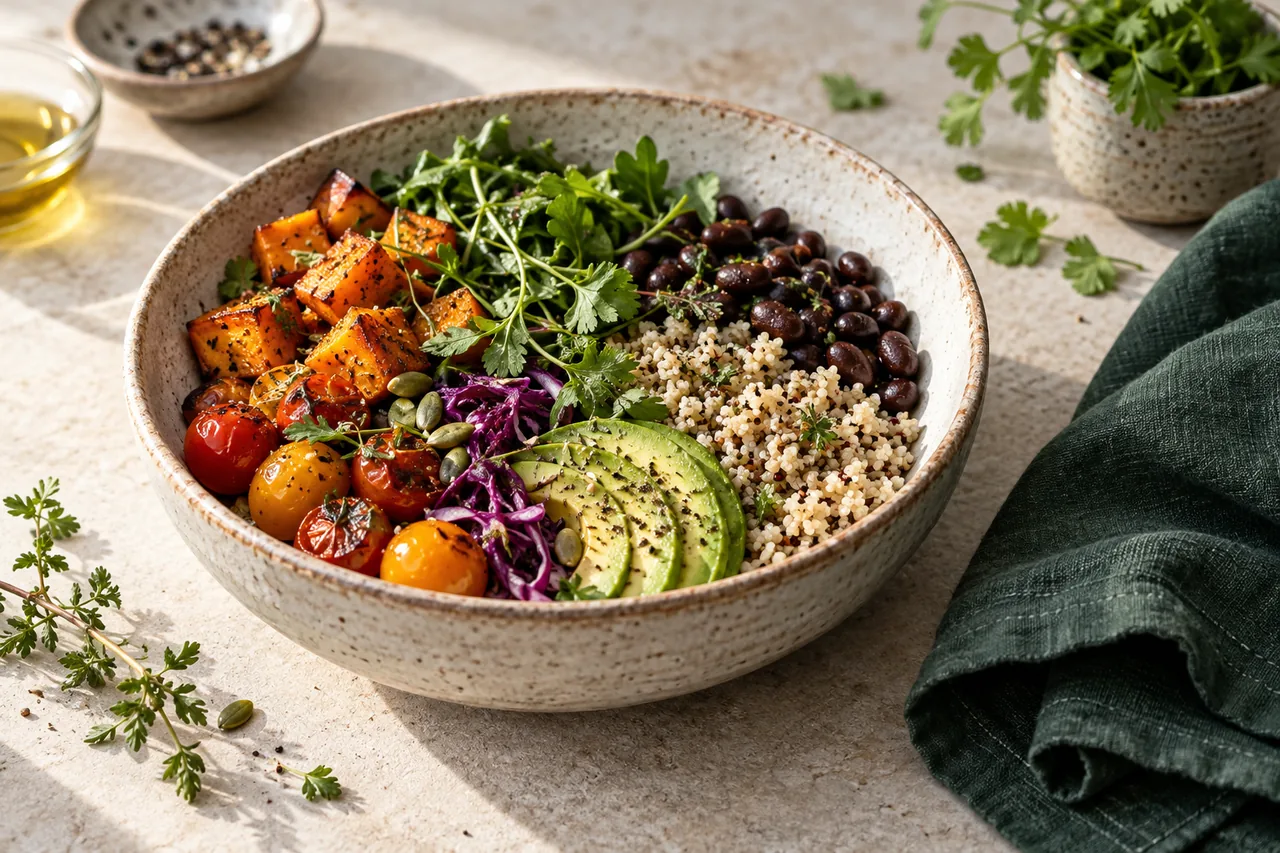
Regular meals with vegetables, fruit, beans, whole grains, nuts, and a range of protein foods can support overall nutrition. Gentle movement, when appropriate for you, and consistent sleep also support general health.
Make changes gradually and choose routines that are realistic. A single drink or ingredient is unlikely to substitute for the broader pattern.
A practical first week could mean keeping meals regular, adding one affordable plant food you enjoy, and choosing a short walk or another accessible activity on days you feel able. These are general health habits, not a test of whether a disease process is present. Track how you feel without expecting a single habit to explain every symptom.
- Aim for variety over rigid rules.
- Hydrate according to your needs and clinician guidance.
- Choose activity that matches your current ability.
Be cautious with cleanse claims
“Detox” is often used as a marketing shortcut rather than a precise medical description. Laxative or highly concentrated teas can cause cramping, diarrhea, dehydration, or medicine interactions.
Read the full ingredient list and follow the package directions. Ask a pharmacist before using a blend if you take medicine or have a digestive, kidney, or heart condition.
NCCIH reports that evidence for commercial cleansing programs is weak and notes that laxatives may cause diarrhea and dehydration. A tea that changes your bowel movements is not evidence that it has corrected the source of pain or swelling. Avoid interpreting a dramatic short-term change as a measured health benefit.
When symptoms need a clinician
Seek prompt care for severe or rapidly worsening pain, high fever, black or bloody stool, chest pain, shortness of breath, new weakness, or confusion. These symptoms should not be managed with a tea or supplement at home.
For milder but persistent symptoms, keep a short symptom and food log to discuss at an appointment.
Note when the problem began, where it occurs, changes in sleep or activity, new medicines or supplements, and what makes it better or worse. The log is meant to support a clinical conversation, not to label every discomfort as “inflammation.”
A practical takeaway
Supportive habits can be useful without promising a quick cleanse. Focus on adequate nourishment, sleep, movement, and appropriate medical evaluation when symptoms persist.
This article is for general educational purposes only, is not medical advice, and is not intended to diagnose, treat, cure, or prevent any condition.